Culinary Heritage • Global Directory 2026

The Living Annals of Global Food Traditions

Immerse yourself in authentic culinary lineage. From wood-fired Neapolitan ovens and Oaxacan ancestral metates to slow-braised Tagines and Sichuan wok artistry, explore the cultural stories, staple ingredients, and heirloom recipes defining civilization.

8 Major Culinary Regions
120+ Heirloom Ingredients
100% Editorial Independence
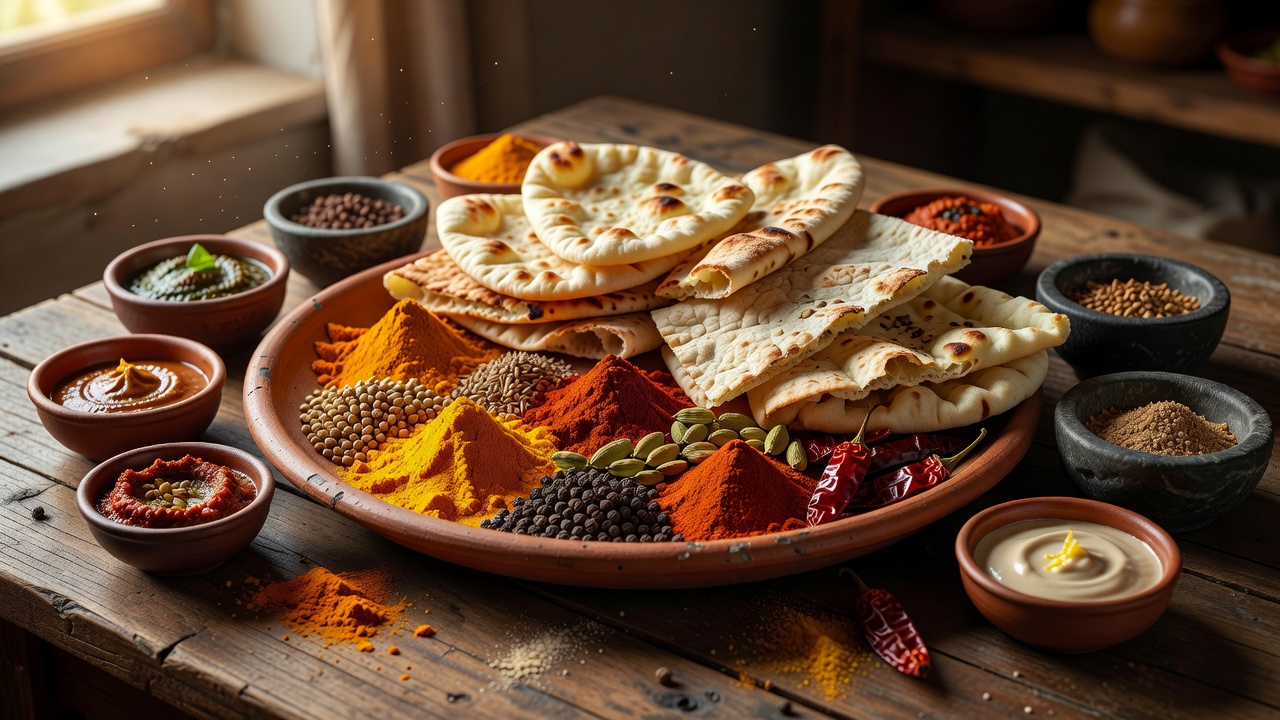
Platter of global spices, rustic flatbreads, and traditional condiments
Paprika • Cuminum
Olea Europaea • Herbs
◇ Wood-fired Hearth
Verified Regional Traditions

The Living Gastronomy Compendium

Search real culinary institutions, heirloom cooking methods, and monumental dishes documented by our regional ethnographers. Every card links directly to its in-depth topic dossier.

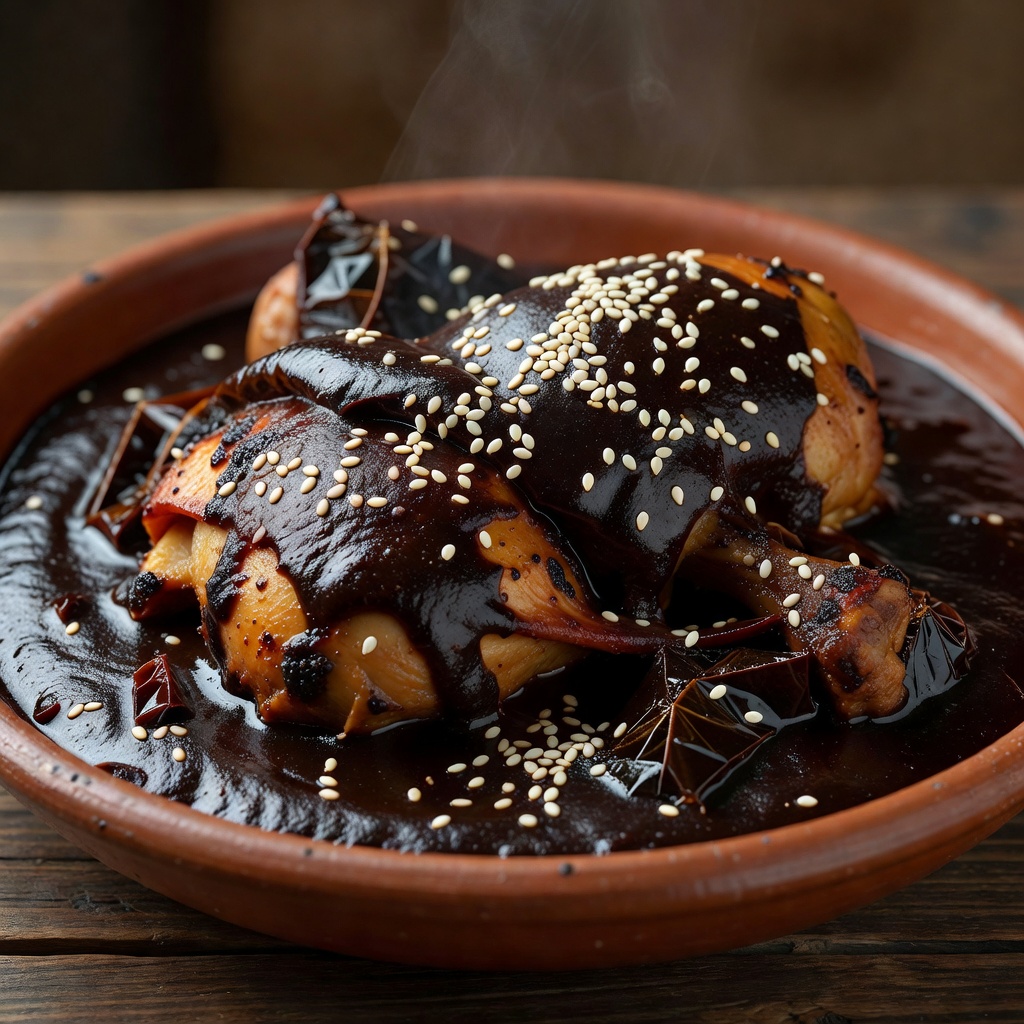
Oaxaca, Mexico Rich velvety Mexican Mole Negro garnished with sesame seeds over braised poultry
Festive Banquet Stew • Ceremonial

Mole Negro Oaxaqueño

An intricate Mesoamerican culinary monument featuring over thirty ingredients, including toasted Chilhuacle chiles, heirloom chocolate, plantains, and burnt tortilla ash.

Method: Charring & Clay Metate Season: Día de los Muertos
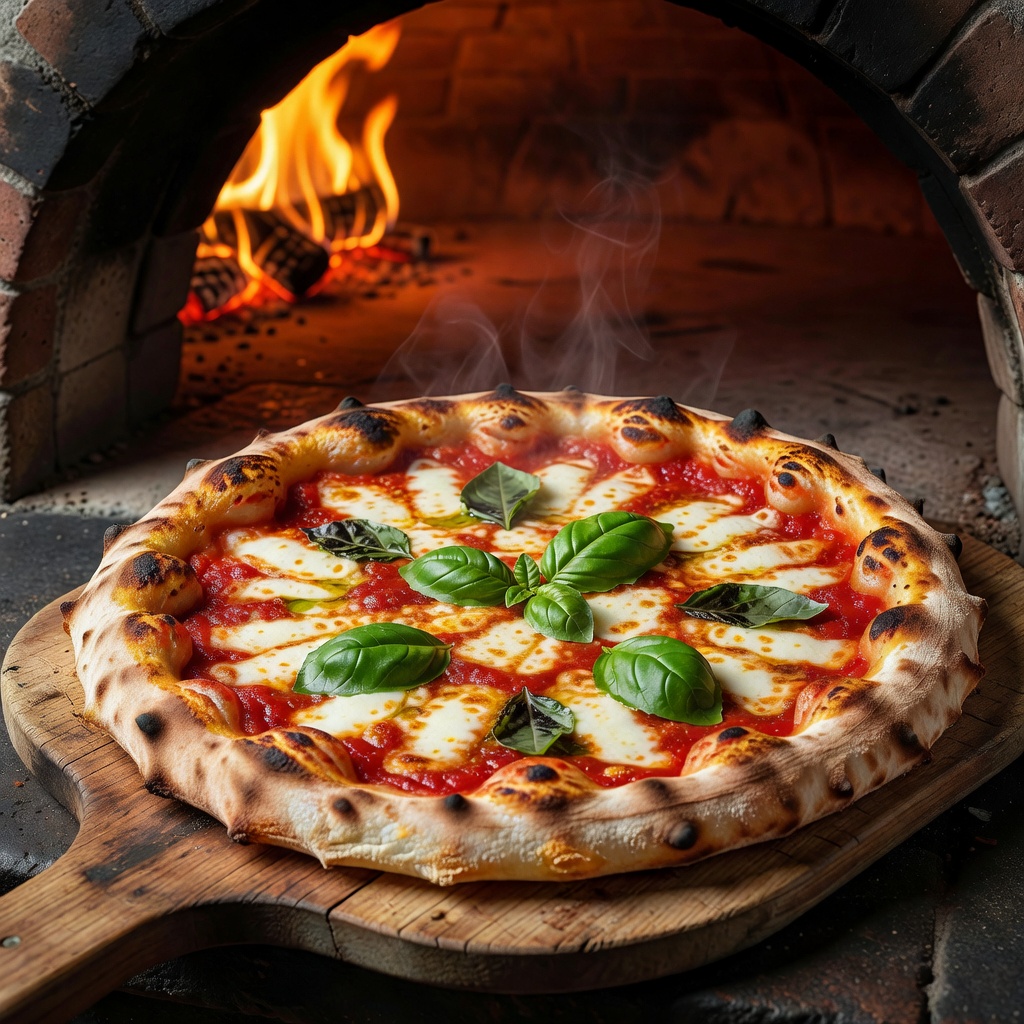
Campania, Italy Wood fired Authentic Neapolitan Pizza with puffed cornicione, San Marzano tomatoes, and fresh basil
Hearth-Baking • UNESCO Intangible Art

Pizza Napoletana Verace

Governed by rigorous artisanal standards: fermented Type 00 wheat dough, San Marzano plum tomatoes, Campanian buffalo mozzarella, and a 90-second flash bake at 485°C.

Method: Wood-fired Bell Oven Hydration: 60-65% Fermented
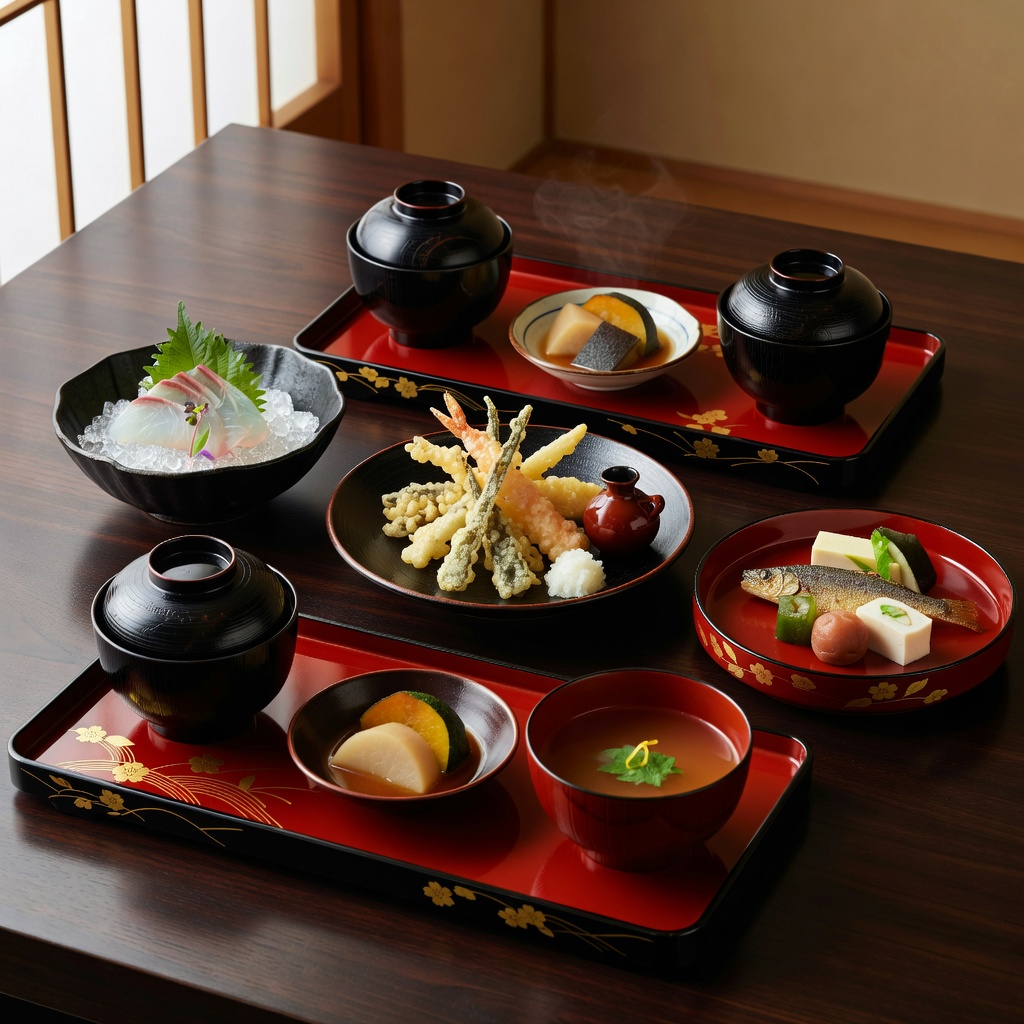
Kyoto, Japan Elegantly arranged Kyoto Kaiseki multi-course dishes on handcrafted lacquerware
Haute Gastronomy • Zen Philosophy

Kyoto Kaiseki Ryōri

The pinnacle of Japanese culinary mindfulness. Multi-course seasonal progression expressing Shun (hyper-seasonality), Rishiri kelp dashi, and aesthetic harmony.

Base: Kombu & Katsuobushi Dashi Service: Multi-movement Banquet
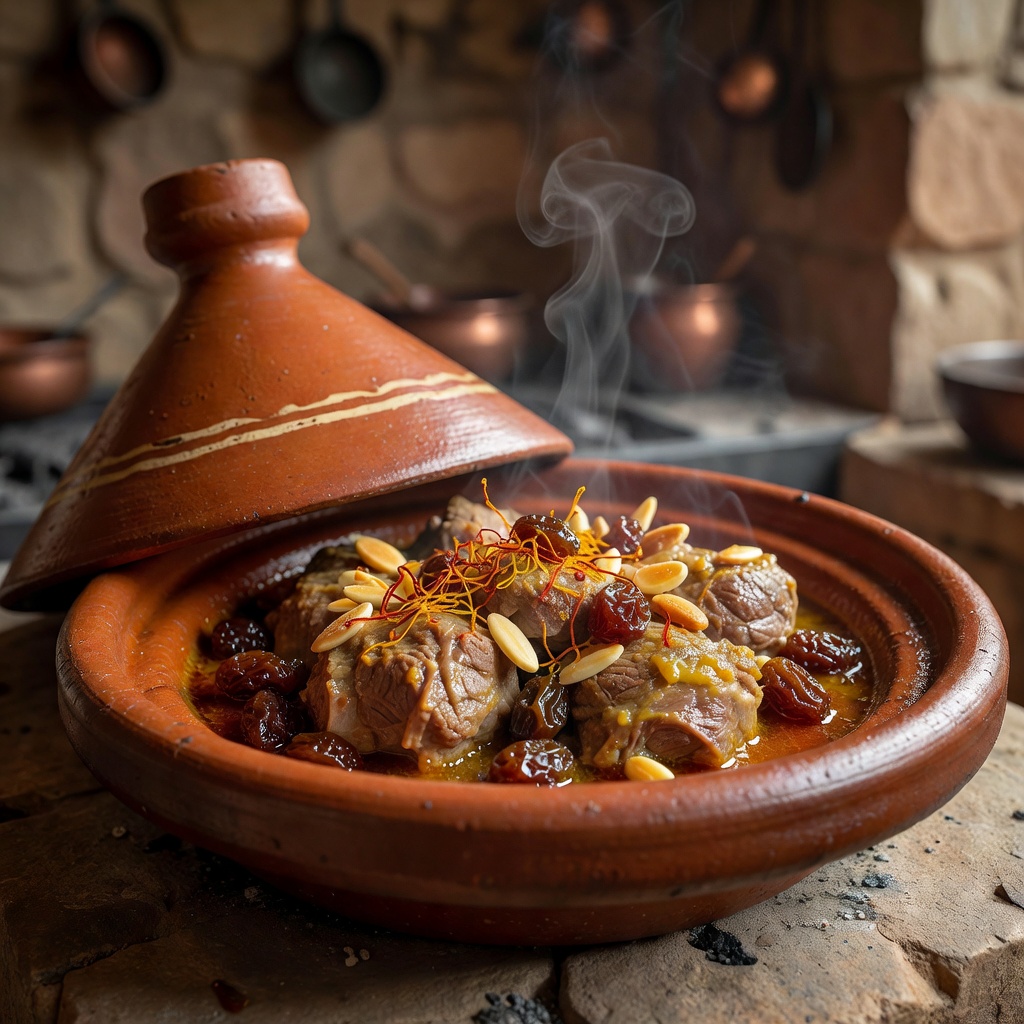
Fez, Morocco Moroccan lamb tagine simmering with caramelized raisins, almonds, and saffron in an earthenware vessel
Earthenware Braising • Eid Celebration

Tagine Mrouzia

A historical sweet-and-savory masterpiece melding tender lamb shanks with 27-spice Ras el Hanout, wild orange-blossom honey, golden raisins, and toasted almonds.

Pot: Glazed Conical Clay Tagine Spicing: Ras el Hanout & Saffron
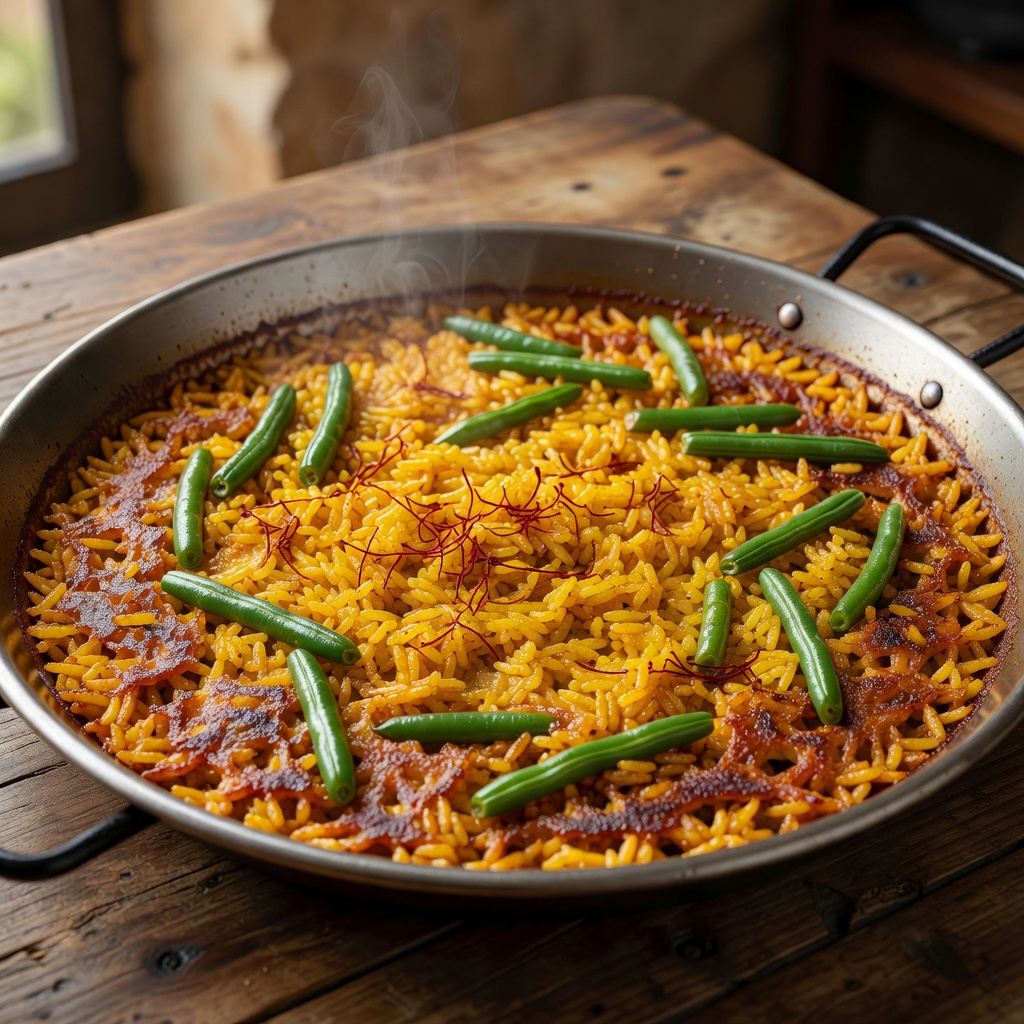
Valencia, Spain Traditional Valencian paella pan with saffron rice, green beans, and crispy socarrat crust
Campesino Flat-Pan • Open-Air Hearth

Paella Valenciana Tradicional

The true agricultural hearth dish of the Albufera wetlands: short-grain Bomba rice, free-range rabbit, chicken, ferraura beans, butter beans (garrofó), and orange-wood fire smoke.

Rice: D.O. Arroz de Valencia Feature: Crisp Socarrat base
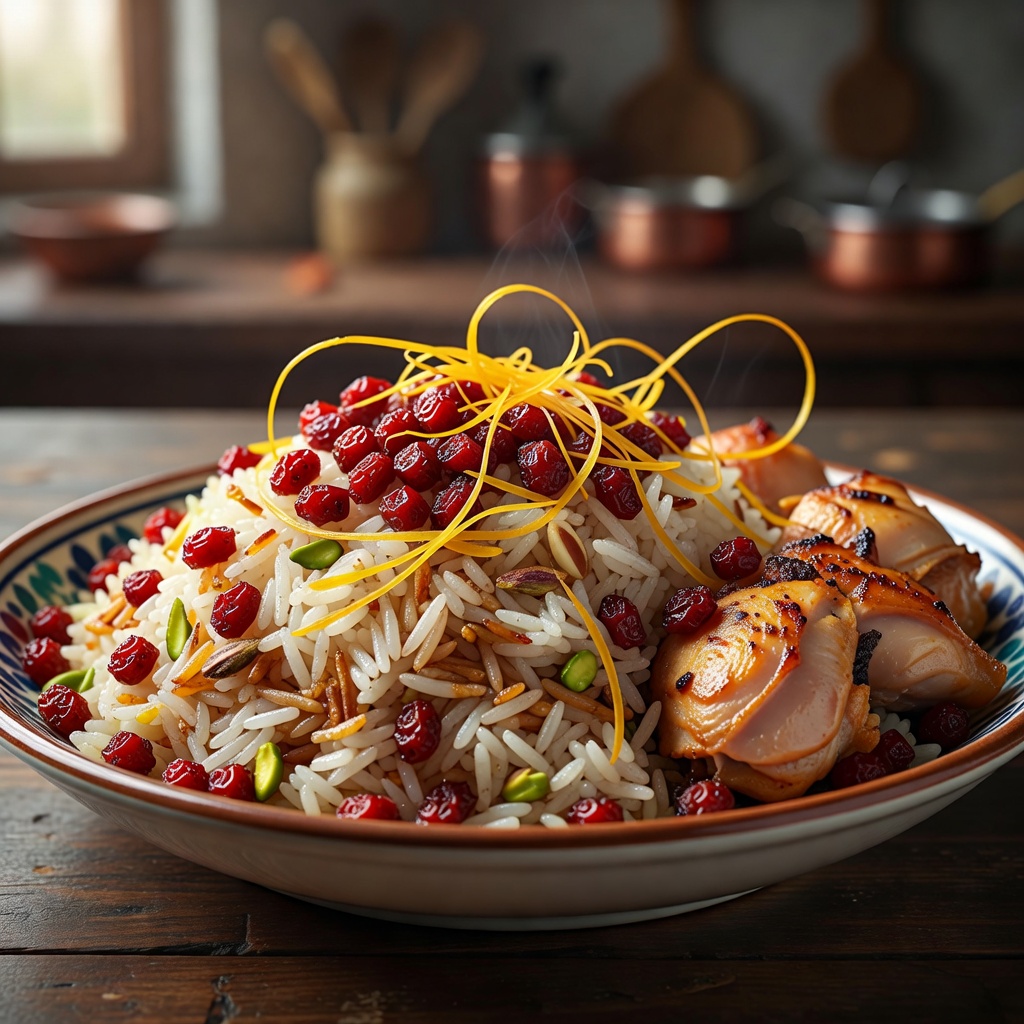
Isfahan, Iran Persian jewel rice topped with tart ruby barberries, golden saffron ribbons, and braised chicken
Ceremonial Rice Art • Tahdig Heritage

Zereshk Polo ba Morgh

Celebrated Persian jeweled rice steamed to crystalline perfection, crowned with tart wild barberries (zereshk), blooming saffron, pistachios, and golden crusty tahdig.

Technique: Parboil & Slow Steam Accent: Wild Ruby Barberries
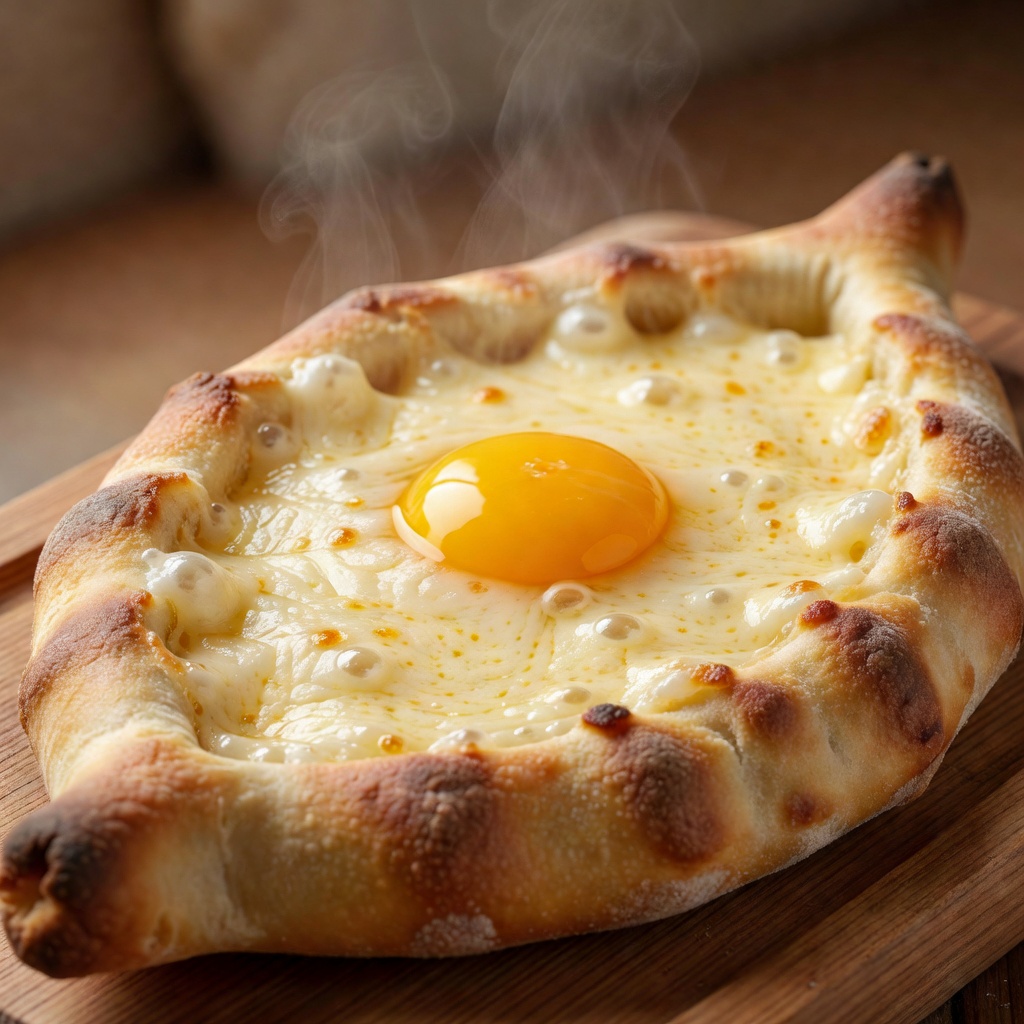
Adjara, Georgia Boat shaped Georgian Adjarian khachapuri bread bubbling with molten Sulguni cheese and raw egg yolk
Black Sea Maritime Hearth • Comfort Feast

Khachapuri Adjaruli

A boat-shaped yeast dough vessel loaded with molten Sulguni and Imeretian cheeses, topped directly out of the stone oven with raw pasture egg yolk and sweet churned butter.

Cheese: Brined Cow & Buffalo Milk Ritual: Fork-whipped crust dip
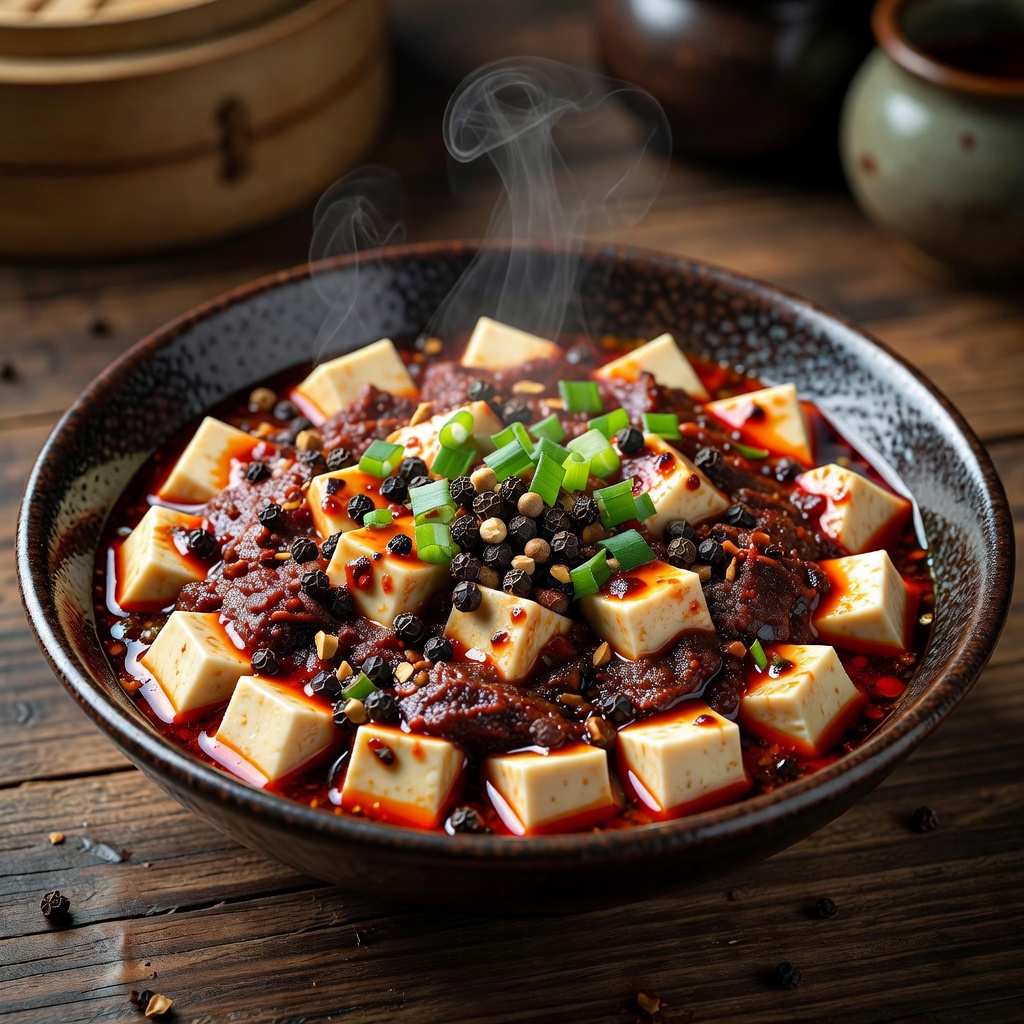
Sichuan, China Authentic Sichuan Mapo Tofu glistening with red chili oil, fermented broad bean paste, and toasted peppercorns
Wok Hei Tradition • Mala Dynamic

Chengdu Chuan Mapo Tofu

The archetype of Sichuan culinary harmony: tender silken bean curd simmering in Pixian aged chili paste, minced dry-fried beef, fermented black beans, and tongue-numbing green peppercorns.

Flavor Core: Pixian Doubanjiang Sensory: Má (Numbing) & Là (Spicy)
Notebook of Gastronomic Anthropology

The Four Pillars of Ancestral Cooking

Culinary traditions are living documents of environmental geography, trade migrations, and collective preservation needs. Before refrigeration and industrial distribution, human palates were shaped by three key forces:

  • Bacterial Transformation & Fermentation: From Korean Onggi vessels storing gochujang to Alpine caves maturing raw-milk cheeses, microbial alchemy protects nutrition across barren seasons.
  • Wood Fire & Clay Thermodynamics: Conical tagines in the Maghreb trap precious steam, while Neapolitan dome refractories radiate 500-degree thermal heat in minutes.
  • Pestle, Mortar & Stone Grinding: The Mexican volcanic molcajete and Thai granite mortar shear essential oils from seeds without burning bitter polyphenols.
Explore The Complete 2026 Field Guide →
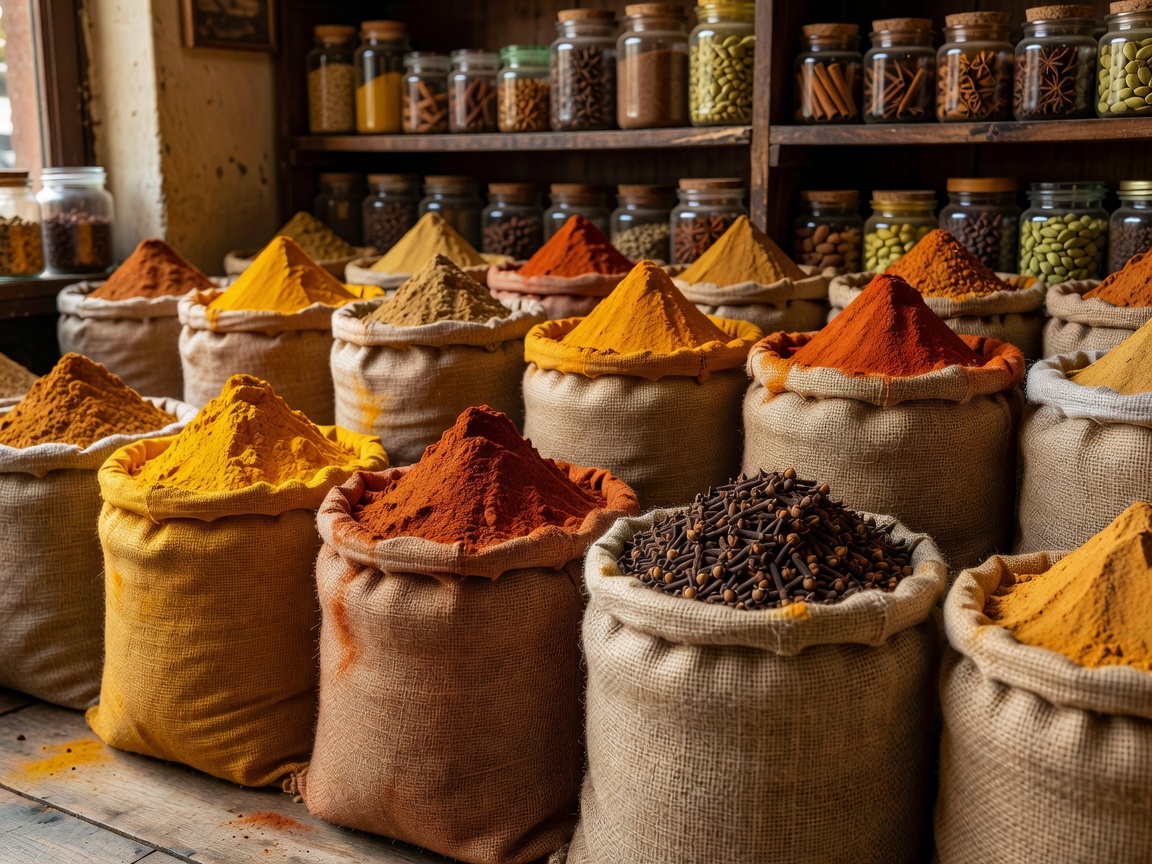
Traditional spice shop displays with mounds of turmeric, paprika, and whole cloves in jute sacks
Archive Sample 048-B • Grand Bazaar Spices
Historical Trajectory

Milestones in World Culinary Evolution

c. 8000 BCE

Nixtamalization

Mesoamericans treat heirloom maize with alkaline lime water, unlocking vitamin B3 (niacin) and enabling Mesoamerican civilization.

c. 1300 CE

The Spice Caravans

Cinnamon, nutmeg, and black pepper from Maluku and the Malabar Coast transform European royal court sauces and Arabic preservation.

c. 1492 CE

The Columbian Exchange

Chiles, tomatoes, potatoes, and chocolate cross the Atlantic, revolutionizing Italian ragùs, Indian curries, and Sichuan woks forever.

1889 CE

The Pizza Royal Charter

Raffaele Esposito crafts the tri-color Margherita pizza in Naples, codifying modern hearth-baked pizza culture worldwide.

Living Culinary Repository

Explore All Documented Continental Traditions

Discover complete specifications, flavor chemistry profiles, and preparation guides for every verified heritage dish in our global register.